
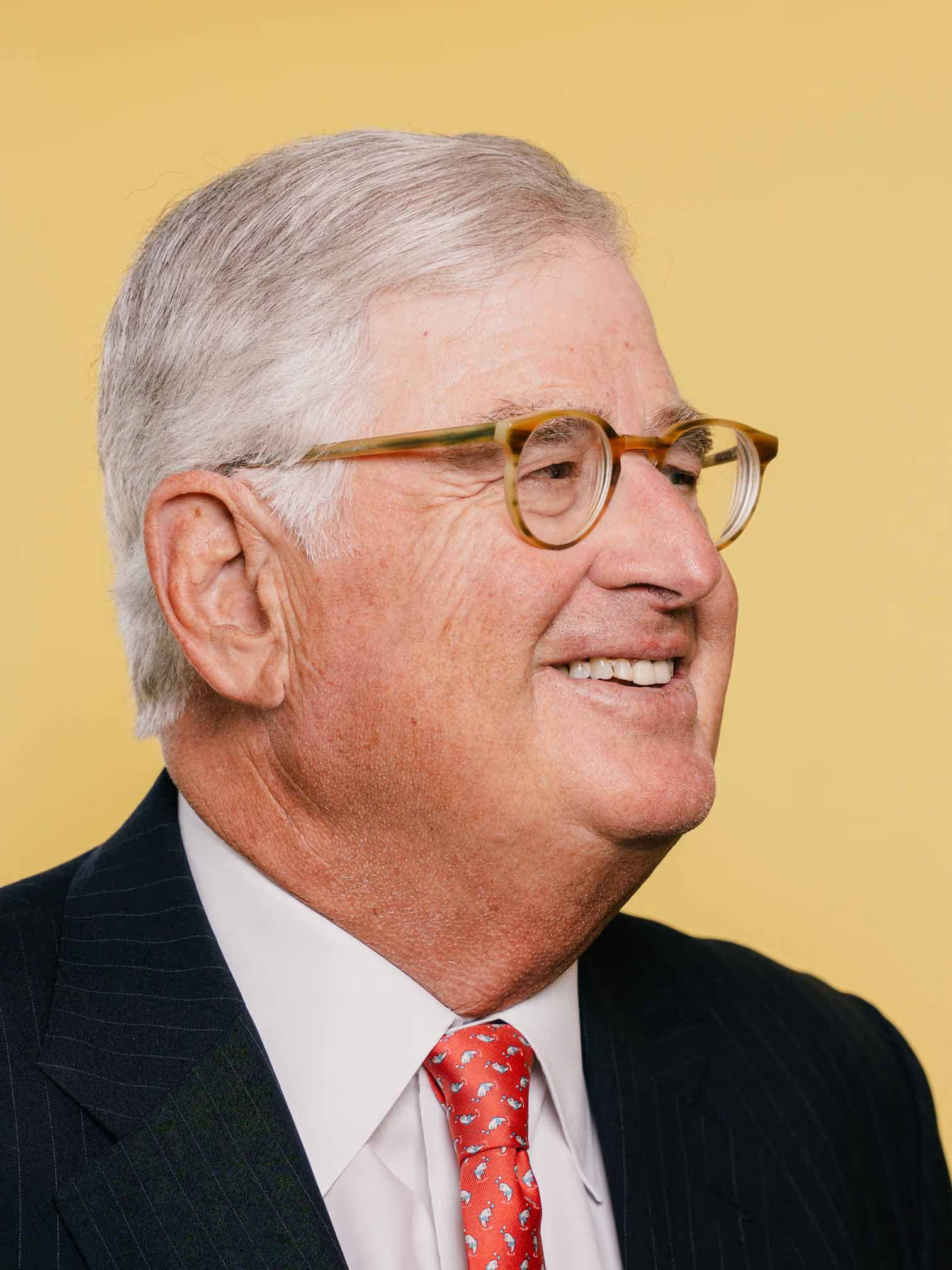
Sam Palmisano on leading through disruption
Sam Palmisano helps to put a clear-headed, nonhysterical perspective on how companies can ride out chaos, citing his own experience as the CEO of IBM navigating the turbulence of the 2008 financial crisis and the dot-com bust.

the world landscape that is shaping the kind of crises that CEOs face today is very different to the one Sam Palmisano inhabited just a couple of decades ago. But as he points out in this in-depth conversation with Think:Act Magazine, the changes that the world has experienced in that time have been largely positive: There have been improvements in life expectancy, health as well as in business. “If you look at the data,” he says, “global trade and percentages of GDP keep going up. Flows of goods, information and money continue to grow as the economy grows. All these barriers that people have tried to put up historically have not worked, and they don’t appear to be working as yet.” That is not to say, however, that the rapid changes that we are experiencing right now across so many aspects of life and business aren’t still disorientating at times. In this interview, he shares some observations drawn from his years of experience and applies them to the current challenges many organizations face.
“the economies aren’t bad right now. the us is fine. europe is doing better and china’s coming back.”

How did you steer IBM through the dot-com bust and the financial crisis of 2008, both unprecedented events back then?
We decided it was a time for us to accelerate our innovation. We were moving from mainframe client servers into the more digital world and accelerated those investments. During my tenure, we did over 100 acquisitions in software, mostly – and some services to rebalance the portfolio. We sold the PC business to Lenovo. We were remixing our portfolio for the future and exiting businesses that were tremendously successful in the client server era, but weren’t going to drive growth and opportunity in the digital world. At the same time, we saw this tremendous opportunity for the IT industry outside the US and Europe. So we invested heavily in 20 countries, with the BRICS as a large portion of that. So we mixed geography from an economic and market perspective and we remixed the portfolio to move to where we thought the industry was going.
The barriers to the flow of work, capital, resources and talent are becoming stronger today rather than weaker. Realistically, for global companies, what kind of organizational model will work best for today’s world?
First, you have to have a perspective of technology. Today, you cannot think about the future without thinking about AI. It’s going to impact your ability to either be very successful or maybe moderate your growth. So it starts with the technology point of view like it did with us: going from client server to digitalization and then the cloud, etc.
So where are the opportunities to apply it? It could be internal: It’s a tremendous productivity tool for enterprise. People can be smarter, have co-pilots and agentics. There’s risk in all those things, but there’s also tremendous opportunity for productivity and growth. There’s no reason to be distracted because when people argue about tariffs, it has nothing to do with AI. AI is mostly software. Tariffs are on hard goods, not software. So if you’re running a play which is being impacted by your ability to exploit these incredible technologies, then tariffs might have very little impact to your business model long-term depending upon how much you’re importing relative to your supply chains and where you reorient your supply chains.
If you think that’s your future, then you have to look at your management system, skills or workforce. Many times the management system is vertical with silos: finance, marketing, sales, development, manufacturing. Well, these models that use internal data to optimize your enterprise are horizontal. They go across functional areas. So it’s almost like you’re a startup which runs a horizontal model. They don’t have the resources to have silos or the process to create bureaucracies. So how do you create the management system? That means how do you reallocate the investment or the capital to those strategic areas versus the traditional areas? How do you develop your workforce so they accept the capabilities of a partner called AI versus rejecting it and fighting these transformations? And if you don’t have the skills within your workforce, then you’re going to have to either develop them or acquire them.
So you have a long-term play of creating a more intelligent global organization – go work on that. Stay focused on your values, your core, the capabilities of your organization: How do you do great things for all your stakeholders? It’s easy to get caught up in all these forums where people wring their hands and worry about what’s going on. Even in the 2008 crisis, we had to stand back and say: “Well, how does it affect IBM?” It did affect IBM. We had to do things to accelerate our globalization and scaling the company to drive the productivity.
The economies aren’t bad right now. The US is fine. Europe is doing better and China’s coming back. So it’s not macroeconomic like it was in 2008. It’s not a technology problem because technology is everywhere and it’s open-source so basically everyone has access to it. So, it gets back to: How do you understand the world and adjust to it to execute your strategy? It takes a lot of discipline. That’s where people get themselves distracted.
sam palmisano
joined IBM as a salesman in 1973. After being appointed to a number of roles within the company, he was elected president and COO in October 2002, promoted to CEO in March 2002 and named chairman effective January 1, 2003, taking over from Lou Gerstner after the dot-com bubble bust. Under his leadership, IBM achieved record financial performance and introduced its Smarter Planet agenda.
After leaving IBM in December 2012, Palmisano became chairman of the Center for Global Enterprise (CGE), a nonprofit aimed at educating leaders from the private and public sector on the globally integrated economy and its promise for a better future. He also served under former US president Barack Obama as chairman of the Commission on Enhancing National Cybersecurity.
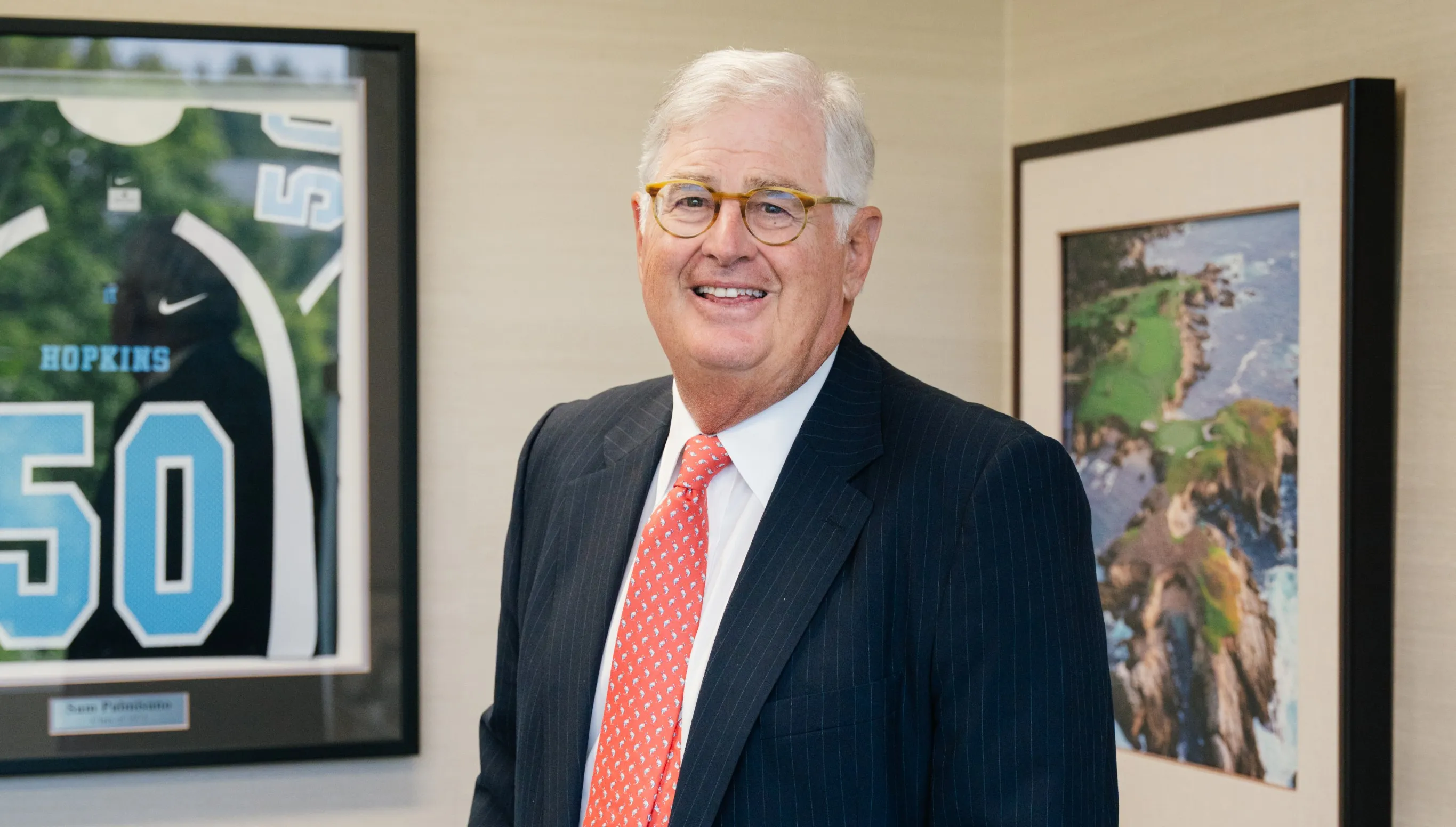
A GLOBAL VISION
More than a decade after his tenure overseeing one of the most significant shifts in IBM’s history came to an end, Sam Palmisano retains his reputation as a leading expert in the fields of innovation, leadership strategy and the role of technology in solving global challenges.
How do you think leaders can tactically evaluate the geopolitical situation?
It depends on where you see yourself. At IBM, when we decided that we had to expand into growth opportunities in these 20 countries, that was a BRICS-plus view. Then we had to partner with those governments because, in those countries, they hold major portions of the economic growth – be it the banking system or the communication system. In the early days of China, we were investing heavily and the government touched all those things. We had to work with a reliable and trusted government partner. Our evaluation criteria was reliability and trust over a 10-year-plus period because we're investing for 10-year cycles. And we were agnostic to the type of government: democracy, capitalism, socialism, communism. We used to say: “That's what they do, not what we do. Our job is to build a great business and serve customers in that particular locale.” It doesn't mean that IBM wasn't pulled in a lot of different directions. When you're the largest employer in a country, investing billions of dollars like we were in the US, China, India and Brazil, you're pulled.
How were you pulled?
They try to get you to take a position that's favorable to their agenda or political position: pro-US, anti-US, pro-China, anti-China … We were able to navigate that by not participating in any of those dialogues. People said: “Why don't you go to Davos? Why don't you go to the forum in China where the premier talks about their growth plan for the next 10 years?” I don't want to go because I don't want to be in the middle of one of these large company debates. I don't want IBM as a company in the middle of say, a China, US or Russian fight.
You spent 39 years at IBM and nine as CEO. What are some learnings you can share about steering such a massive organization through periods of global uncertainty?
I’ll go back to what Tom Watson Senior said right when he founded IBM in 1911: You can change everything about IBM except its values and its role in society. Everything else can change. His point was products will change and technologies will shift, but you have to be true to your values. We had to revisit those values. You can’t use 100-year-old values. Things change and you have to adjust. We did a Values Jam for our employees and let the employees define IBM’s value system. The next thing was we asked the employees to tell us whether we were living up to the values that they had created. And we didn’t do as well there. But we learned what we needed to do.
We made the necessary adjustments and we persevered through all this. We had our crises along the way. The dot-com blowup and the recession that followed. The 2008 financial crisis, from an impact to business standpoint, was much more severe than what we see today. From an IBM perspective, since we are so tied to the world, the planning assumption we had when 2008 happened was the best we’ll do is -5%. It’s billions of dollars. Then how do we maintain profitability and invest for the future if revenue is down 5%? We globalized IBM, we launched Smarter Planet. All those things that you now see in history, we did to get through the financial crisis. Once we got through it, 2009 was a stable year, and then 2010 and 2011 were two of the best years in the history of the IBM Corporation even up until today.
“how do you understand the world and adjust to it to execute your strategy? It takes discipline.”
A STEADY HAND
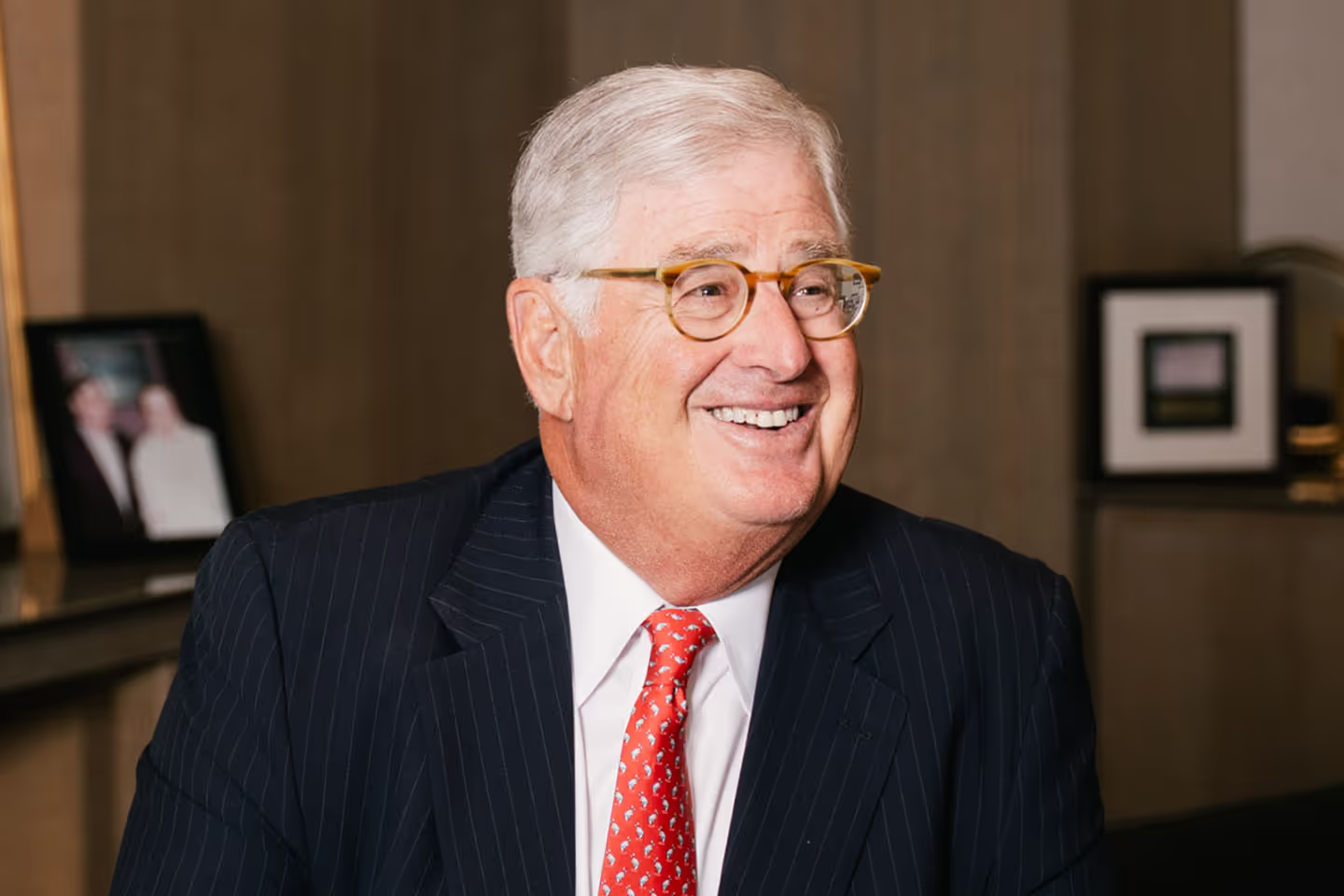
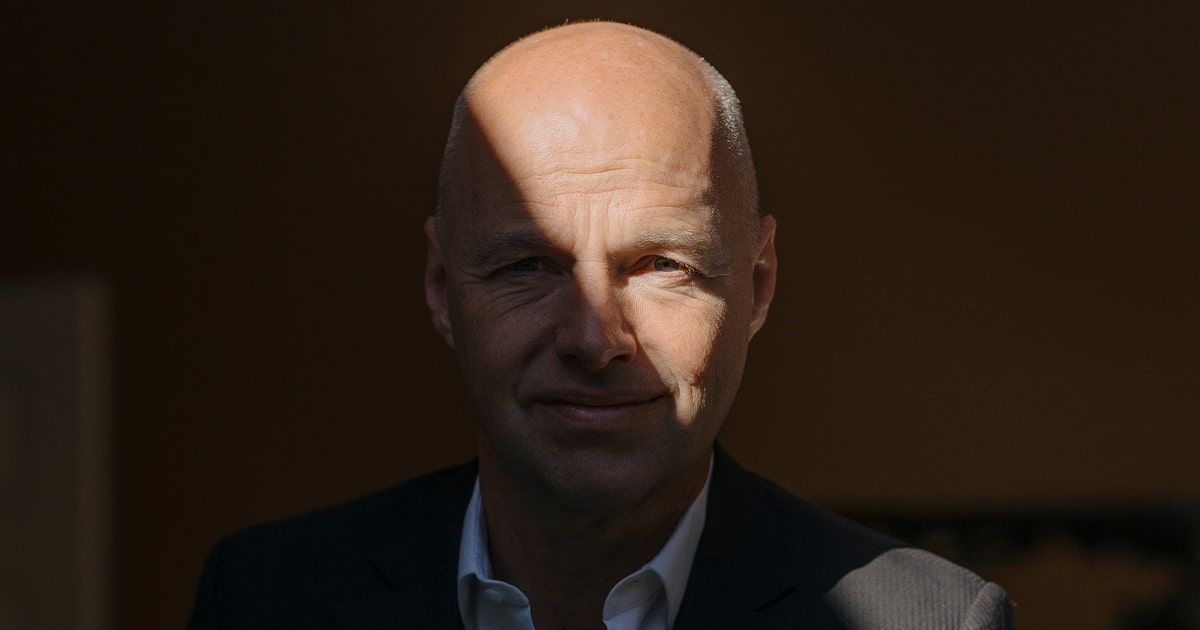
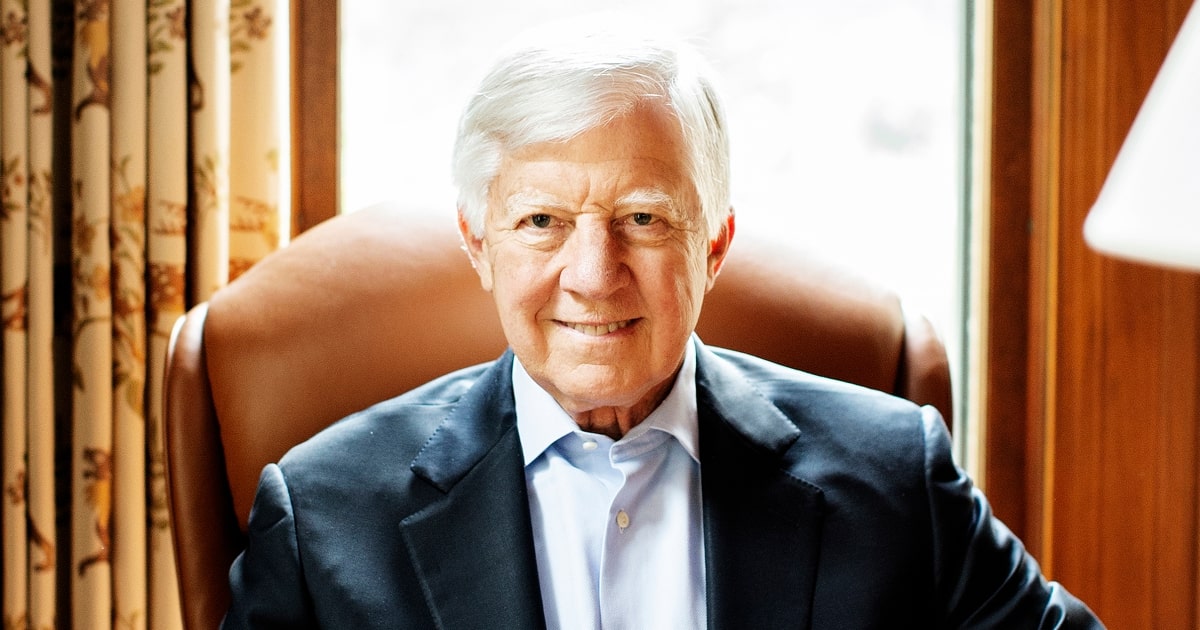
In his office in Norfolk, Connecticut, photographed by Paola Chapdelaine, Sam Palmisano radiates the quiet confidence of someone who’s seen disruption come and go and learned that composure can be a competitive edge.
So the crisis forced you to pivot.
Yes. It forced the globalization – and the launch of Smarter Planet. Smarter Planet was off the charts. The whole world was looking for hope and we provided it. It was about things that can help the world, like safety, health and environment. And that’s where we wanted IBM positioned.
We announced Smarter Planet eight days after Obama won the election. Lehman Brothers went under in October. Think about this. I’m standing at the Council of Foreign Relations, giving this speech on why we need to build a smarter world. We had three examples then, not the hundreds we had later of how this could work. Now you call it cloud, big data, AI, etc. We didn’t have names for them at that point in time. We were building those technologies. And there was a lot of risk in the opportunity because we spent a billion dollars on marketing in the middle of this mess as we reprioritized and it could have failed. If it failed, I would have been fired because that’s how it worked in those days.
Since the risk of failure was so high, what gave you the confidence really to go ahead?
One, we knew enough about the technology that it was going to work. We also believed we had a team that could execute this. We got organized and focused, put incentives in place, all the things that you do operationally to have that team succeed. No different than a sporting team: Who do you put in the right positions and how do you make sure that you know they’re working as a team and not just working as individuals.
Takeaways


More from this edition


Stay ahead of the curve!
Sign up for our newsletter and let Think:Act bring you up to speed with what is happening today and guide you on what’s happening next.
